Buy freund.or.at ?
We are moving the project
freund.or.at .
Are you interested in purchasing the domain
freund.or.at ?
domain@kv-gmbh.de · 0541-91531010
Buy freund.or.at ?
Which type of lens is better suited for wildlife photography: a prime lens or a zoom lens?
A zoom lens is generally better suited for wildlife photography because it offers versatility in framing the subject without having to physically move closer or further away. This is especially important when photographing unpredictable wildlife in their natural habitat. However, a prime lens can also be effective for wildlife photography, particularly for capturing specific details or in situations where a lighter and more compact lens is preferred. Ultimately, the choice between a prime lens and a zoom lens for wildlife photography depends on the specific needs and preferences of the photographer. **
Which lens mount does this lens have?
This lens has a Canon EF lens mount. This means it is compatible with Canon DSLR cameras that use the EF mount, as well as some mirrorless cameras with an EF to RF mount adapter. The EF mount is a widely used and versatile mount, allowing for compatibility with a wide range of Canon cameras. **


Similar search terms for Lens
Top-Angebote
Products related to Lens:
-
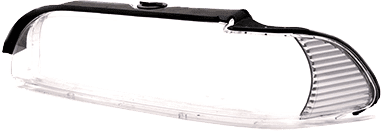
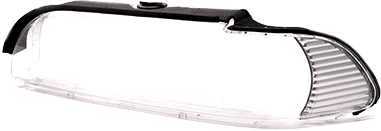
All Categories Goods Premium Cadillac ATS Headlight Lens Cover Pair Direct Fit Headlight Replacement Lens Premium Cadillac ATS Headlight Lens Cover Pair Direct Fit Headlight Replacement LensRediscover that showroomfresh look and clarity with this pair of Cadillac ATS headlight lens cover replacements, designed for drivers who care about both style and safety. These directfit headlight covers restore visibility by replacing worn,...169,97 $*Shipping: 0,00 $Secure redirect to the provider


-
Is there a lens hood for the lens?
Yes, there is a lens hood available for the lens. A lens hood is a useful accessory that helps to reduce lens flare and glare by blocking unwanted light from entering the lens. It can also provide some protection for the front element of the lens. It is recommended to use a lens hood whenever possible to improve the overall image quality. **
-
Would it be better to use a prime lens or a zoom lens?
The choice between a prime lens and a zoom lens depends on the specific needs and preferences of the photographer. Prime lenses typically offer superior image quality, wider apertures, and are often smaller and lighter than zoom lenses. They are also great for low light situations and creating a shallow depth of field. On the other hand, zoom lenses offer versatility and convenience by allowing the photographer to change focal lengths without switching lenses. Ultimately, the decision between a prime lens and a zoom lens should be based on the specific shooting requirements and style of the photographer. **
-
What does the lens do during autofocus 2 lens?
During autofocus, the lens in a camera with autofocus 2 technology adjusts its position to bring the subject into sharp focus. This is achieved through the movement of internal lens elements controlled by the camera's autofocus system. The lens continuously makes small adjustments to its focus position until the subject is in focus, allowing for quick and accurate focusing. This technology is particularly useful for capturing fast-moving subjects or for ensuring sharp focus in challenging lighting conditions. **
-
Is the converging lens the same as the diverging lens?
No, a converging lens and a diverging lens are not the same. A converging lens is thicker in the middle and causes parallel rays of light to converge at a focal point, while a diverging lens is thinner in the middle and causes parallel rays of light to diverge. Converging lenses are used to create real images, while diverging lenses are used to create virtual images. Therefore, the two types of lenses have different optical properties and applications. **
Is a lens hood necessary or unnecessary?
A lens hood is not absolutely necessary, but it can be very beneficial in certain situations. A lens hood helps to reduce lens flare and ghosting by blocking stray light from entering the lens. This can improve the overall image quality by increasing contrast and reducing glare. Additionally, a lens hood can provide physical protection for the front element of the lens. Ultimately, while a lens hood is not essential, it can be a useful accessory to have in your camera bag. **
Is a lens hood important or unnecessary?
A lens hood is important for several reasons. It helps to reduce lens flare and ghosting by blocking stray light from entering the lens. This can improve the overall image quality by increasing contrast and color saturation. Additionally, a lens hood provides physical protection for the front element of the lens, reducing the risk of damage from accidental bumps or scratches. Overall, a lens hood is a valuable accessory that can enhance the performance and longevity of your lens. **
Top-Angebote
Products related to Lens:
-
All Categories Goods Premium Mercedes Headlight Lens Cover Direct Fit Front Headlight Lens Replacement Premium Mercedes Headlight Lens Cover Direct Fit Front Headlight Lens ReplacementGive your Mercedes EClass the attention it deserves with pair of crystalclear Mercedes W212 headlight cover that restores premium appearance and protects critical lighting. This highquality headlight lens replacement is engineered for drivers who...169,97 $*Shipping: 0,00 $Secure redirect to the provider
-
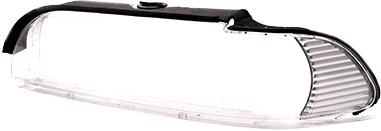
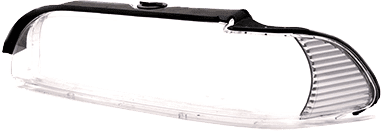
All Categories Goods Premium Cadillac ATS Headlight Lens Cover Pair Direct Fit Headlight Replacement Lens Premium Cadillac ATS Headlight Lens Cover Pair Direct Fit Headlight Replacement LensRediscover that showroomfresh look and clarity with this pair of Cadillac ATS headlight lens cover replacements, designed for drivers who care about both style and safety. These directfit headlight covers restore visibility by replacing worn,...169,97 $*Shipping: 0,00 $Secure redirect to the provider
-
Which type of lens is better suited for wildlife photography: a prime lens or a zoom lens?
A zoom lens is generally better suited for wildlife photography because it offers versatility in framing the subject without having to physically move closer or further away. This is especially important when photographing unpredictable wildlife in their natural habitat. However, a prime lens can also be effective for wildlife photography, particularly for capturing specific details or in situations where a lighter and more compact lens is preferred. Ultimately, the choice between a prime lens and a zoom lens for wildlife photography depends on the specific needs and preferences of the photographer. **
-
Which lens mount does this lens have?
This lens has a Canon EF lens mount. This means it is compatible with Canon DSLR cameras that use the EF mount, as well as some mirrorless cameras with an EF to RF mount adapter. The EF mount is a widely used and versatile mount, allowing for compatibility with a wide range of Canon cameras. **
-
Is there a lens hood for the lens?
Yes, there is a lens hood available for the lens. A lens hood is a useful accessory that helps to reduce lens flare and glare by blocking unwanted light from entering the lens. It can also provide some protection for the front element of the lens. It is recommended to use a lens hood whenever possible to improve the overall image quality. **
-
Would it be better to use a prime lens or a zoom lens?
The choice between a prime lens and a zoom lens depends on the specific needs and preferences of the photographer. Prime lenses typically offer superior image quality, wider apertures, and are often smaller and lighter than zoom lenses. They are also great for low light situations and creating a shallow depth of field. On the other hand, zoom lenses offer versatility and convenience by allowing the photographer to change focal lengths without switching lenses. Ultimately, the decision between a prime lens and a zoom lens should be based on the specific shooting requirements and style of the photographer. **
Similar search terms for Lens
-
What does the lens do during autofocus 2 lens?
During autofocus, the lens in a camera with autofocus 2 technology adjusts its position to bring the subject into sharp focus. This is achieved through the movement of internal lens elements controlled by the camera's autofocus system. The lens continuously makes small adjustments to its focus position until the subject is in focus, allowing for quick and accurate focusing. This technology is particularly useful for capturing fast-moving subjects or for ensuring sharp focus in challenging lighting conditions. **
-
Is the converging lens the same as the diverging lens?
No, a converging lens and a diverging lens are not the same. A converging lens is thicker in the middle and causes parallel rays of light to converge at a focal point, while a diverging lens is thinner in the middle and causes parallel rays of light to diverge. Converging lenses are used to create real images, while diverging lenses are used to create virtual images. Therefore, the two types of lenses have different optical properties and applications. **
-
Is a lens hood necessary or unnecessary?
A lens hood is not absolutely necessary, but it can be very beneficial in certain situations. A lens hood helps to reduce lens flare and ghosting by blocking stray light from entering the lens. This can improve the overall image quality by increasing contrast and reducing glare. Additionally, a lens hood can provide physical protection for the front element of the lens. Ultimately, while a lens hood is not essential, it can be a useful accessory to have in your camera bag. **
-
Is a lens hood important or unnecessary?
A lens hood is important for several reasons. It helps to reduce lens flare and ghosting by blocking stray light from entering the lens. This can improve the overall image quality by increasing contrast and color saturation. Additionally, a lens hood provides physical protection for the front element of the lens, reducing the risk of damage from accidental bumps or scratches. Overall, a lens hood is a valuable accessory that can enhance the performance and longevity of your lens. **
* All prices are inclusive of VAT and, if applicable, plus shipping costs. The offer information is based on the details provided by the respective shop and is updated through automated processes. Real-time updates do not occur, so deviations can occur in individual cases. ** Note: Parts of this content were created by AI.